What Is Sheet Metal Fabrication and How Does It Work in Modern Manufacturing
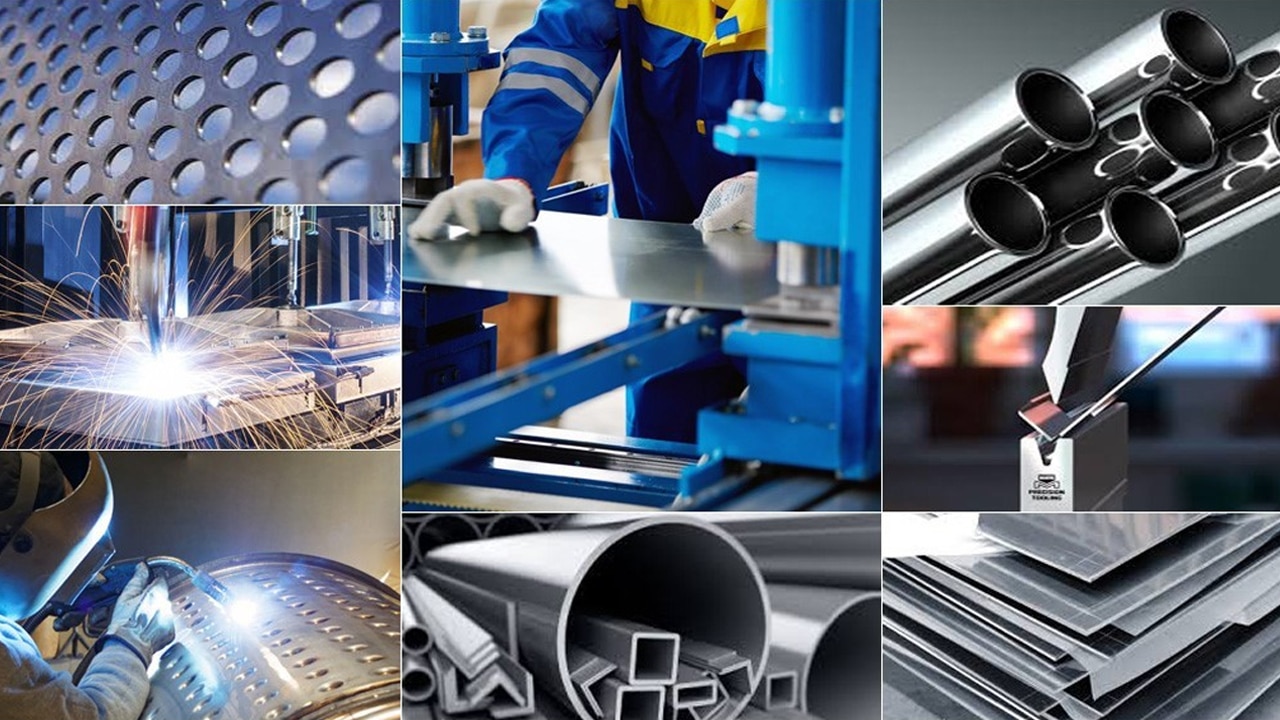
Sheet metal fabrication turns flat metal sheets into parts, from basic brackets to whole machine enclosures. It’s popular because it lets you make stuff consistently and in various shapes, too. In modern manufacturing, it connects digital design files with physical production through controlled steps. Many industries rely on it to keep part supply steady and consistent. A company like ShincoFab works in this space by handling different stages of production for industrial clients. Check out their detailed process at https://shincofab.com/. The method usually includes cutting, shaping, and joining, which together define how flat metal becomes functional components used in real systems.
What does sheet metal fabrication mean
Sheet metal fabrication is a group of processes that convert flat metal into structured parts. It starts with measured sheets and ends with formed components ready for use. Instead of shaping solid blocks, the method works by adjusting thin layers of material. ShincoFab operates in this area by supporting different production steps for clients who need repeatable metal parts. The focus is on accuracy in size and shape so parts can fit into larger assemblies without extra adjustment.
How a raw sheet becomes parts
Before production starts, a flat sheet is measured and prepared. Digital files define the exact shape and size needed. The sheet is then placed into machines that follow these instructions. This step makes sure each piece starts from the same reference point, reducing variation within the batch. That's super important when lots of parts need to fit together later.
Cutting methods
First, when shaping metal sheets, cutting is most important. Machines use techniques such as laser cutting, water jets, or punching. These suit various thicknesses and materials, respectively. The goal is to cleanly separate shapes without damaging edges or altering the metal’s basic structure. Good cutting quality also reduces the need for extra finishing work later in production.
Bending and shaping
After cutting, flat pieces are formed into angles or curves. Press machines apply controlled force to reach the required shape. The accuracy of this stage matters because it affects how parts align during assembly. Even small deviations can cause fitting issues later, especially in products with tight spacing between components.
Joining parts
Separate metal pieces are connected through welding, fastening, or similar methods. Welding is often used when strong and permanent joints are needed. Mechanical fasteners are used when parts may need removal or repair. The choice depends on how the final product will function and how much stress the joint will handle during use.
Surface treatment
Once parts are formed and joined, the surface may be treated. After manufacturing, parts get coated, polished, or finished too. This makes them tougher against wear and moisture. It helps the surfaces stay stable longer, which is great since parts often experience frequent use or varying conditions.
Role in product design
Manufacturing results depend a lot on early design choices. Shape, thickness, and bend limits also impact part producibility. So, what you decide at the start really matters. Engineers often adjust drawings to match real production limits. ShincoFab appears here in workflows where design files are reviewed before production starts, helping align part intent with actual manufacturing conditions. This step reduces rework later in the process.
Modern production systems
Modern facilities rely on computer-controlled machines for repeated tasks. Digital instructions guide cutting, bending, and forming with consistent output. This reduces variation caused by manual work and supports larger production batches. ShincoFab uses such systems to maintain steady output across different part types and production volumes without changing the basic process flow.
Where it is used
Sheet metal parts are found in vehicles, electronic devices, industrial machines, and building systems. They are chosen because they can combine strength with relatively low weight. ShincoFab supplies parts used in these sectors, where consistent sizing and material performance matter across many units of production. The same basic methods support very different industries.
Why it matters today
Metal fabrication supports modern production by enabling the conversion of simple sheets into structured components at scale. It also reduces material waste compared to older shaping methods and allows design changes without major disruption. Many industries depend on it for a stable supply of parts. ShincoFab is part of this field, working with production methods that keep output aligned with shifting design needs.
Conclusion
Sheet metal fabrication connects design work with physical production through a set of controlled steps. Each stage, from cutting to finishing, affects how the final part performs in use. Its role continues to grow as products become more detailed and production timelines shorten. The process remains a practical method for producing reliable components across many industries without unnecessary complexity.