Choosing Between Reduced and Oxidized Glutathione Forms
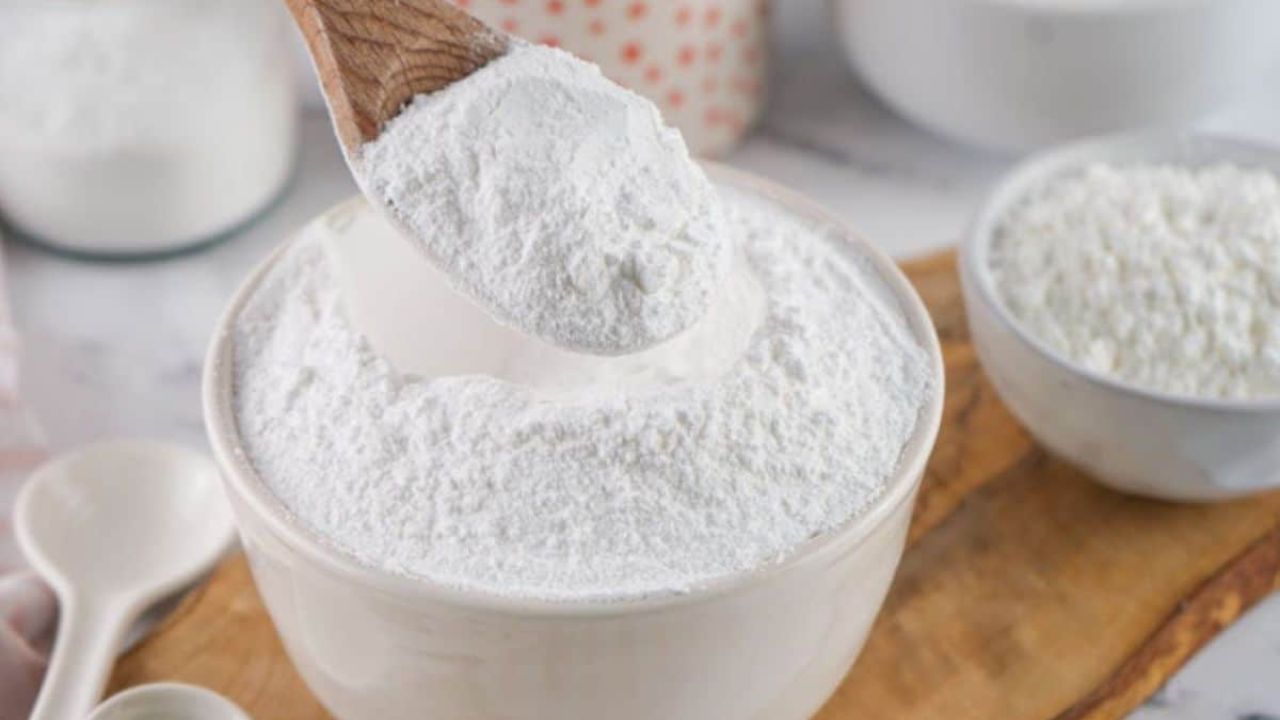
The powerful antioxidant effects and its ability to detoxify have made glutathione powder an indispensable ingredient in the health and wellness industry. With consumers and manufacturers trying to maximize the use of this crucial compound, it has become of considerable importance to know the differences between the two main types of glutathione, reduced glutathione and oxidized glutathione. The effectiveness of a supplement and the way it is applied in different health products may be affected by the choice of the appropriate form.
Understanding the Two Forms
Glutathione is reduced to form reduced glutathione (GSH). It acts directly within the body in counteracting free radicals and in defending the cell against oxidative stress. Glutathione is also an electron donor in this condition, and it helps to keep a balance of antioxidants in the body. Due to its biological activity, low levels of glutathione have been extensively used in dietary supplements, cosmetics, and formulas used to improve the health of the entire body. It has a great potential to aid in detoxification, immune and liver well-being, making it a favorite among most health-conscious consumers.
This form of glutathione is called GSSG, which is the form of glutathione that has given out electrons and eliminated the free radicals. Although not actively involved as reduced glutathione, oxidized glutathione is also important in the process of glutathione recycling. At the body level, enzymes transform GSSG back to GSH so that there is a balance between the oxidized and the reduced counterparts. The process of recycling is crucial to the maintenance of antioxidant protection in the long term and the ability of the body to react to the challenges of oxidation.
Bioavailability and Effectiveness
The main factor to consider when choosing reduced and oxidized glutathione is bioavailability. In supplement formulations, reduced glutathione is normally chosen as it is easier to gain access to and is easily utilized by the body. Nevertheless, the stability of GSH may be an issue, since it is vulnerable to heat, light, and specific processing procedures. Manufacturers tend to adopt special procedures or package safeguarding technologies to retain their activity until it is consumed by the consumer.
Oxidized glutathione is more stable during storage and manufacturing, but the effectiveness depends on the reduction treatment of this antioxidant during antioxidant defense. This extra measure implies that its effects on the body may take longer or may be less direct. GSSG can offer improved stability and consistency in companies that deal with long shelf-life products or in the development of formulations that cannot tolerate harsh conditions.
Application in Health and Wellness Products
The decision on reduced and oxidized glutathione is also determined by the mode of application. Immediate antioxidant support Products, like dietary supplements or serums to support skin health, are commonly formulated to include lowered glutathione so as to achieve optimal effects. Its active form gives the consumers the benefit of enjoying benefits rapidly, such as improved skin appearance, a better immune system, and assistance in waste elimination channels.
Conversely, oxidized glutathione can be employed in a formulation in which the stability over a long period of time is crucial. It may be added to bulk raw materials, used together with other antioxidants, or added to a product that is aimed at sustained release. In such situations, the inherent capacity of the body to utilize GSSG to GSH will be sufficient to help the supplement retain its functions through time, even in an inactive form.
Making an Informed Choice
The choice of a suitable form of glutathione is very subjective in regard to the consideration of both biological activity and practicality in terms of stability and shelf-life, as well as the intended use. The low glutathione provides quick gains and is perfect in the fields that lay stress on the quick antioxidant therapy. Glutathione oxidation offers stability and may be useful in those products that require it to withstand storage or other processing conditions without deterioration. Learning these differences benefits both the manufacturers and the consumers to make the right choice about the products to use, depending on their business requirements and their health objectives.
Conclusion
The difference between the reduced and oxidized form of glutathione is not merely a technical aspect but one that has an impact on the effectiveness, stability, and use of health products. Upon knowing the functions and properties of GSH and GSSG, consumers and producers are able to make quality choices that maximize the utility of the glutathione supplementation. No matter what the need is, instant antioxidant benefit or stable finished product, with the proper choice of form, it will be possible that glutathione will still perform its vital duty of ensuring the well-being of the cell as well as the entire body.